

Fishing in Cook County comes with a certain amount of unpredictability. Some days, the lakes are glass calm. Other days, the wind reminds you that Mother Nature is very much in charge. You might spend the morning catching walleye and the afternoon wondering how a salmon managed to steal your favorite lure again.
Up here, fishing isn’t limited to one type of water or one style of trip either. You’ve got inland lakes tucked along the Gunflint Trail, cold rivers flowing toward Lake Superior, and the Boundary Waters stretching out in every direction. Whether you’re casting from shore, trolling from a boat, or paddling into a remote campsite with a tackle box wedged between your gear, Cook County gives you options.
The big draw for many anglers is the variety. Here’s a closer look at the fish species that keep people coming back.
Walleye Fishing in Cook County
Walleye season opener is a holiday in Minnesota, and Cook County delivers plenty of opportunities. Inland lakes along the Gunflint Trail, including Saganaga, Seagull, and Gunflint Lake, are known for healthy walleye populations. Many Boundary Waters lakes also offer excellent fishing, especially in spring and early summer.
Classic setups still work best here. Jigs tipped with minnows, leeches under slip bobbers, and live bait rigs near rocky structure all produce fish. Early morning and evening are usually your best windows, especially once water temperatures rise.
According to the Minnesota DNR Grand Marais Fisheries office, many area lakes are actively managed to support long-term walleye populations through habitat monitoring and stocking programs where needed.
Trout Fishing Along the Gunflint Trail and BWCA
Cook County is one of the best places in Minnesota to target lake trout. Cold, deep lakes throughout the Boundary Waters and along the Gunflint Trail create ideal trout habitat, not to mention Lake Superior itself.
Spring is one of the easiest times to fish for them because cold water keeps trout closer to the surface. That means simpler setups can still be effective. Trolling spoons, crankbaits, or swimbaits along rocky shorelines and drop-offs is a good place to start.
Brook trout are also common in some smaller inland lakes and streams. These fish thrive in colder water and are often found farther inland or in more remote areas. If you haven’t tried fly fishing for these feisty beasts, you’re missing out.
Salmon Fishing on Lake Superior
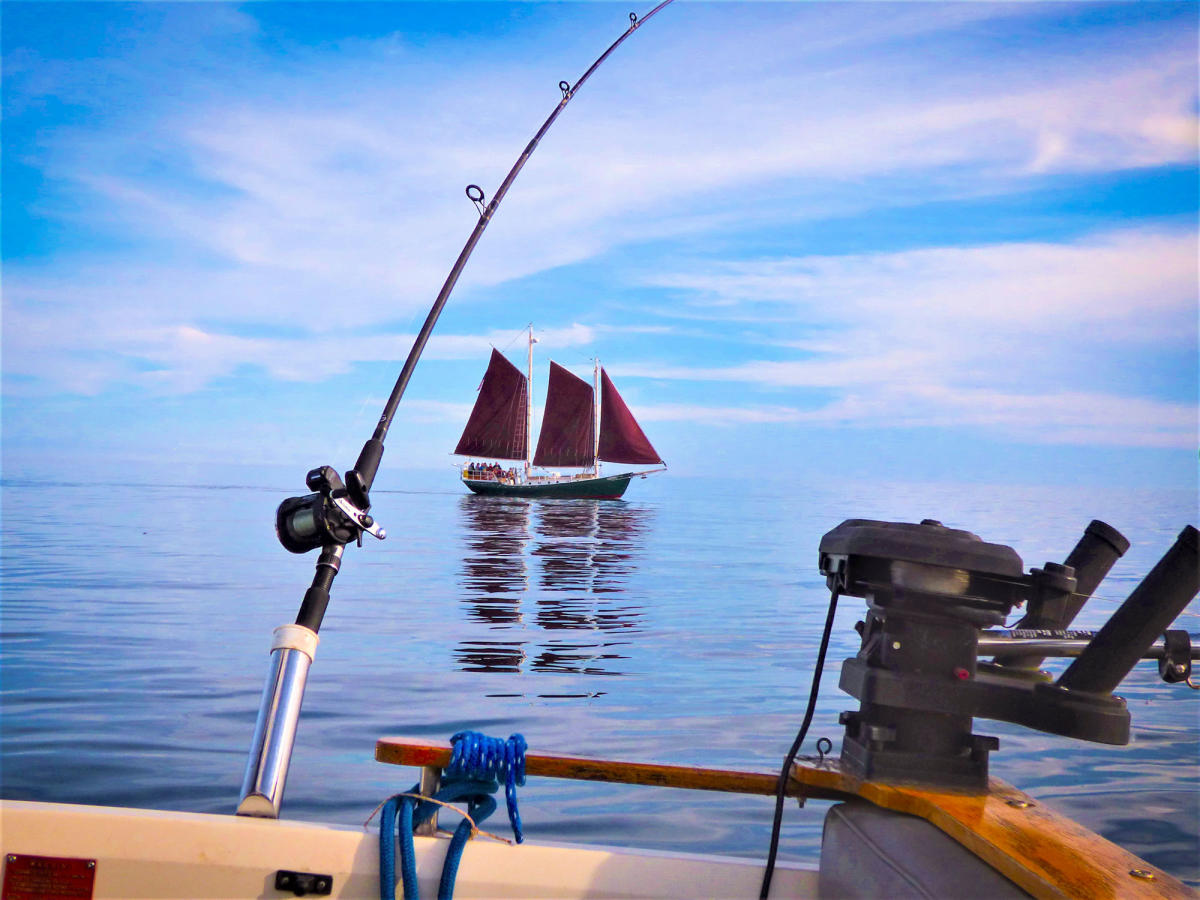
Lake Superior adds an entirely different style of fishing to Cook County. This is less “cast from shore and see what happens” and more strategy, electronics, and keeping a close eye on water temperatures. With how large the lake is, fishing can be challenging if you don’t know the insider information. That’s why charter fishing is especially popular out of Grand Marais during the open-water season, giving anglers access to deeper parts of the lake where salmon and lake trout spend much of their time.
Most boats targeting salmon are trolling with downriggers, which allow lines to reach the colder water where fish are actively feeding. Captains are constantly tracking surface temps, currents, and bait movement because on Lake Superior, a few degrees can completely change where the fish are holding.
Coho salmon and Chinook salmon are both found in Lake Superior waters off Cook County, along with large lake trout that can reach impressive sizes. Shore fishing around Grand Marais can occasionally produce salmon during spring and fall runs, but getting offshore is where the bite really heats up.
Some charter and transport boats also make runs toward Isle Royale, where the cold, deep water has earned a reputation for producing absolute monsters. Even if the fish aren’t cooperating, spending a day on The Big Lake usually feels worthwhile anyway.
Northern Pike and Muskie Fishing in Northern Minnesota
Northern pike are found throughout Cook County. If a lure flashes, rattles, or looks injured, there’s a decent chance a pike will take interest.
Spinnerbaits, spoons, larger crankbaits, and swimbaits are all reliable choices. Weed edges, shallow bays, and moving water areas are productive spots throughout the season.
Muskie fishing opportunities exist in some northeastern Minnesota waters as well, though they’re less common than pike. For anglers chasing larger fish, hiring a local guide can make a huge difference in narrowing down productive water.
Fishing the Boundary Waters Canoe Area Wilderness
For many anglers, the Boundary Waters is the main event. Fishing here feels primitive: Paddle, cast, eat, repeat.
According to BWCA outfitters and fishing guides, moving water between lakes, submerged reefs, and shoreline structure often hold active fish throughout the season. The tradeoff is that some of the best fishing spots require a portage or two to reach.
Permits are always required to enter the BWCAW, but overnight permits are specifically required during quota season for camping trips. If you’re planning a simple day trip, the process is much easier and can usually be handled quickly before heading out.
Protecting Cook County Waters from Aquatic Invasive Species
One thing people take seriously in Cook County is protecting the lakes themselves. Aquatic invasive species are a growing issue across Minnesota, and once they enter a lake system, they’re extremely difficult to remove. Species like zebra mussels, spiny waterfleas, rusty crayfish, mystery snails, and Didymo, better known as “rock snot,” which sounds both fake and disgusting at the same time. These organisms can all spread between lakes by hitching rides on boats, trailers, fishing gear, bait buckets, boots, and even wet ropes.
The good news is prevention is pretty straightforward. Before leaving a landing, clean off any plants, mud, or debris from your boat and gear. Drain all water from livewells, bilges, and bait containers, and let equipment dry fully before entering another lake. Even small amounts of water can carry invasive species larvae from one body of water to the next.
Fishing Guides, Lake Conditions, and DNR Management
Hiring a local fishing guide is one of the easiest ways to shorten the learning curve, especially if you’re unfamiliar with Cook County waters. Guides know how fish move during seasonal changes, which lakes open earliest after ice-out, and what bait is working week to week.
The Minnesota DNR Grand Marais Fisheries office also plays a major role in maintaining fishing opportunities across the region. Fisheries staff manage hundreds of lakes and streams through population surveys, stocking efforts, habitat projects, and conservation work designed to support long-term fish health.
Before heading out, always check current regulations for your target lake. Some waters have special limits, seasonal closures, or trout stamp requirements.
The truth is, fishing in Cook County can be some of the best in the region, but it often takes a bit more effort and planning. Weather changes quickly, fish don’t always cooperate, and your “quick evening cast” has a habit of turning into watching the sunset from the dock long after you planned to leave.